- Home
- Blogs
- About
- Services
- Group Companies
- Contact Us
- सुचना *

-
Call Us On:
+977 1 5320150, 5320160 -
Send us a Mail:
info@cargonepal.com.np -
How Cargo Nepal Supports Nepal's Growing Hydropower and Infrastructure Industry in 2026
Nepal is entering a transformative period in its economic development. Across the country, major investments are being made in hydropower projects, transmission lines, roads, bridges, industrial facilities, and other critical infrastructure. These developments are not only shaping Nepal's future but also creating new opportunities for businesses, investors, and communities.
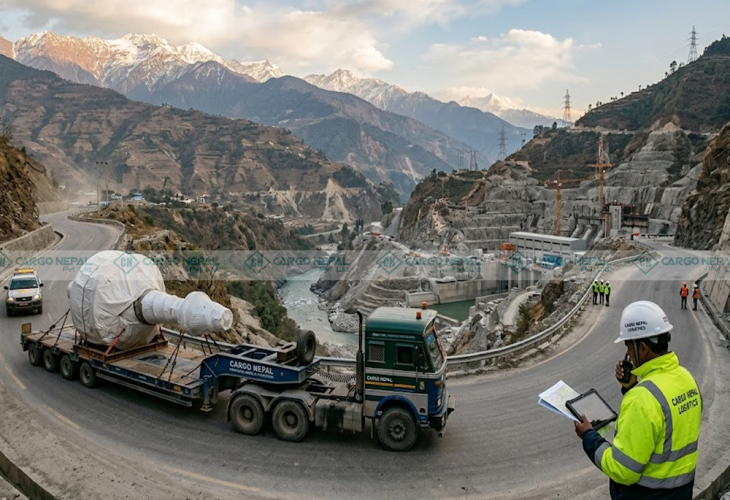
Behind every hydropower plant, transmission corridor, tunnel project, bridge construction site, and industrial facility lies a complex logistics operation. Massive turbines, generators, transformers, construction machinery, steel structures, and specialized equipment must be transported safely and efficiently from international suppliers to often remote project locations across Nepal.
This is where Cargo Nepal plays an essential role.
As Nepal's infrastructure sector continues to expand in 2026, logistics has become much more than simply moving cargo from one location to another. It has become a strategic component of project success. Cargo Nepal helps bridge the gap between international suppliers, customs authorities, transportation networks, and project developers, ensuring critical equipment reaches its destination on time and in good condition.
Nepal's Infrastructure and Hydropower Growth in 2026
Nepal's hydropower industry continues to attract significant investment from both public and private sectors. According to industry data, hundreds of hydropower projects are currently operational, under construction, or in various stages of development, representing thousands of megawatts of generating capacity and substantial investment across the country.
At the same time, the government is prioritizing the expansion of transmission lines, substations, roads, bridges, and energy infrastructure to support long-term economic growth. Plans for additional power generation and transmission expansion remain a major national focus in 2026.
However, infrastructure projects are only as successful as their supply chains.
A hydropower project cannot begin generating electricity if a turbine is delayed at the border. A transmission line cannot be completed if transformers fail to arrive on schedule. A bridge project cannot progress if heavy construction equipment remains stuck in transit.
This makes project cargo logistics one of the most important yet often overlooked aspects of infrastructure development.
Understanding Project Cargo Logistics
Project cargo logistics refers to the transportation of oversized, high-value, heavy, or complex cargo associated with major industrial and infrastructure projects.
Unlike standard freight shipments, project cargo requires:
For hydropower and infrastructure projects, project cargo often includes:
These cargo movements require specialized expertise because many project sites are located in mountainous and geographically challenging regions of Nepal.
Why Logistics Matters in Hydropower Development
Hydropower development involves a series of highly coordinated activities.
Before a single unit of electricity is generated, project developers must transport large volumes of equipment from manufacturing facilities located in countries such as China, India, Germany, Japan, and other global markets.
The journey often includes:
Any delay in this process can impact project timelines and significantly increase costs.
Hydropower developers invest billions of rupees into project construction. Every day of delay can affect project schedules, contractor performance, financing arrangements, and expected revenue generation.
This is why professional logistics support has become a critical requirement rather than an optional service.
Cargo Nepal's Role in Hydropower Logistics
Cargo Nepal helps project developers manage these complex logistics requirements through comprehensive freight and supply chain solutions.
International Freight Forwarding
Hydropower projects depend heavily on imported equipment.
Cargo Nepal coordinates international freight movements from suppliers across Asia, Europe, and other regions.
This includes:
By managing international shipments from origin to destination, Cargo Nepal helps reduce logistical complexity for project developers.
Customs Clearance Expertise
Customs clearance is often one of the most challenging aspects of project logistics.
Large infrastructure projects typically involve multiple shipments arriving over extended periods. Each shipment requires accurate documentation, regulatory compliance, and customs processing.
Cargo Nepal assists with:
This reduces delays and helps ensure equipment reaches project sites according to schedule.
Transportation of Heavy Equipment
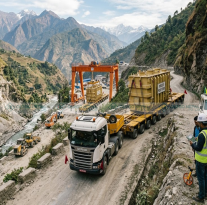
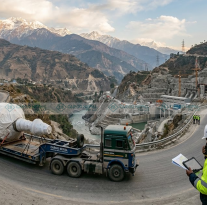
Transporting oversized equipment through Nepal's terrain presents unique challenges.
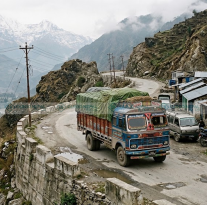
Many hydropower sites are located in remote mountain regions where roads may be narrow, steep, or under development.
Cargo Nepal supports transportation of:
The company helps plan safe transportation routes while minimizing risks associated with difficult terrain and infrastructure limitations.
Supporting Infrastructure Projects Beyond Hydropower
Although hydropower remains a major sector, Cargo Nepal's expertise extends across a wide range of infrastructure projects.
Road Construction Projects
Road development remains a key priority for Nepal.
Road projects require:
Efficient logistics ensures construction companies receive critical equipment when needed.
Bridge Construction Projects
Bridge projects require specialized materials and equipment.
Cargo Nepal helps facilitate transportation of:
Proper logistics coordination helps prevent costly project delays.
Transmission Line Projects
Nepal continues expanding its electricity transmission infrastructure. Government plans emphasize increasing transmission capacity to support growing power generation and distribution needs.
Transmission projects require movement of:
Cargo Nepal assists in managing the transportation and delivery of these critical components.
Challenges Facing Infrastructure Logistics in Nepal
Despite ongoing improvements, logistics in Nepal remains challenging.
Difficult Geography
Nepal's mountainous terrain creates transportation challenges not commonly found in many other countries.
Cargo often needs to travel through:
These factors require specialized planning and transportation expertise.
Weather-Related Disruptions
Monsoon rains, floods, landslides, and seasonal weather events can affect transportation routes.
Project cargo logistics must account for these risks through contingency planning and route management.
Border and Transit Coordination
Many infrastructure components enter Nepal through international transit routes.
Effective coordination between shipping companies, customs authorities, transport providers, and project stakeholders is essential for smooth operations.
Schedule Management
Infrastructure projects operate on strict timelines.
Missing delivery schedules can delay construction activities and increase project costs.
Professional logistics planning helps mitigate these risks.
Technology and Smart Logistics in 2026
Modern logistics is no longer limited to transportation.
Technology now plays an increasingly important role in project cargo management.
Cargo Nepal supports smarter logistics through:
Shipment Tracking
Real-time visibility allows project teams to monitor cargo movement throughout the transportation process.
Benefits include:
Supply Chain Coordination
Infrastructure projects involve multiple stakeholders.
Digital coordination improves communication between:
Risk Management
Modern logistics systems help identify potential issues before they become major problems.
This allows project teams to make proactive decisions and maintain project momentum.
Why Experience Matters in Project Cargo Logistics
Project cargo is significantly different from standard freight forwarding.
Each project involves unique requirements, risks, and operational challenges.
Experienced logistics providers understand:
This expertise becomes especially valuable when handling high-value cargo destined for critical infrastructure projects.
The Economic Impact of Efficient Logistics
Efficient logistics contributes directly to economic development.
When infrastructure projects receive equipment on time:
As Nepal continues investing in energy and infrastructure, logistics providers play an increasingly important role in supporting national development goals.
Hydropower expansion remains a major pillar of Nepal's long-term growth strategy, supported by significant public and private investment across hundreds of projects.
Why Businesses Trust Cargo Nepal
Infrastructure developers require more than transportation services.
They need a logistics partner capable of handling complex project requirements from start to finish.
Cargo Nepal provides:
By combining industry experience with practical logistics solutions, Cargo Nepal helps businesses navigate the challenges associated with major infrastructure projects.
Looking Ahead
Nepal's infrastructure sector is expected to continue expanding over the coming years. New hydropower projects, transmission lines, transportation corridors, industrial developments, and energy investments will create growing demand for professional logistics services.
As project complexity increases, logistics will remain a key factor in determining project success.
Companies that partner with experienced logistics providers will be better positioned to manage risks, control costs, and achieve project milestones.
Conclusion
Nepal's growing hydropower and infrastructure industry represents one of the country's most important development opportunities in 2026. While investment, engineering expertise, and construction capabilities are essential, none of these projects can succeed without reliable logistics support.
From transporting turbines and transformers to managing customs clearance and heavy equipment delivery, Cargo Nepal plays a vital role in ensuring infrastructure projects move forward efficiently.
As Nepal continues building its energy future and expanding critical infrastructure, the importance of professional project cargo logistics will only continue to grow. Through expertise, planning, coordination, and reliable execution, Cargo Nepal remains a trusted logistics partner supporting the nation's development journey.